Carmel Harrison on CMX
By Patrick Niall
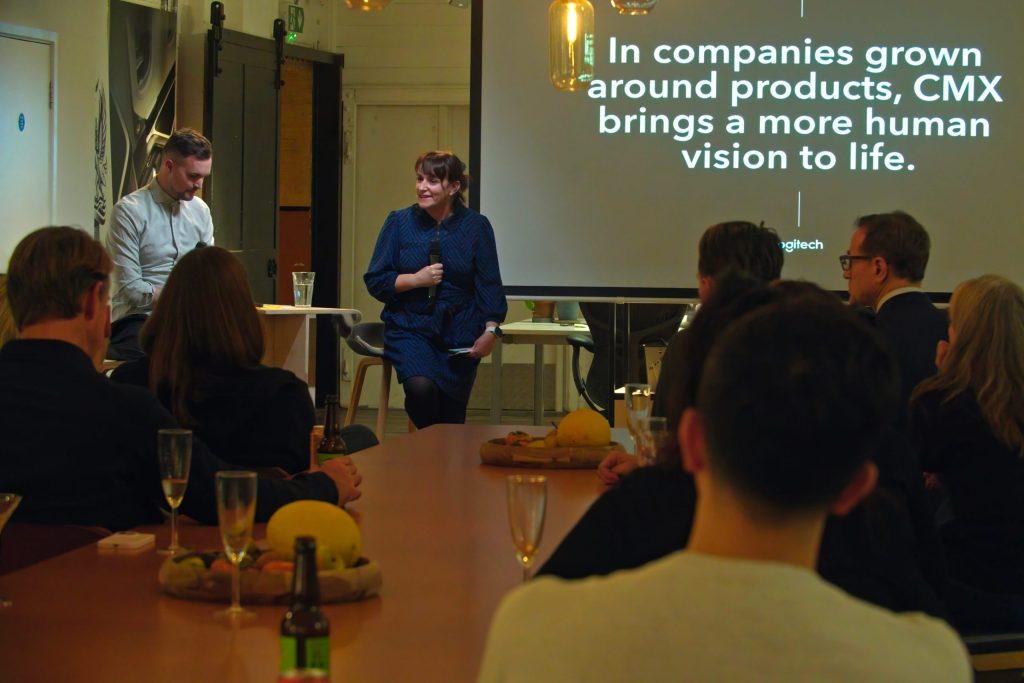
To celebrate our 20th Anniversary, we hosted an intimate gathering of friends at our studio in Oval.
As a part of this event, we invited three long-time collaborators to share one thought each on the future of the role of design in making the future more human.
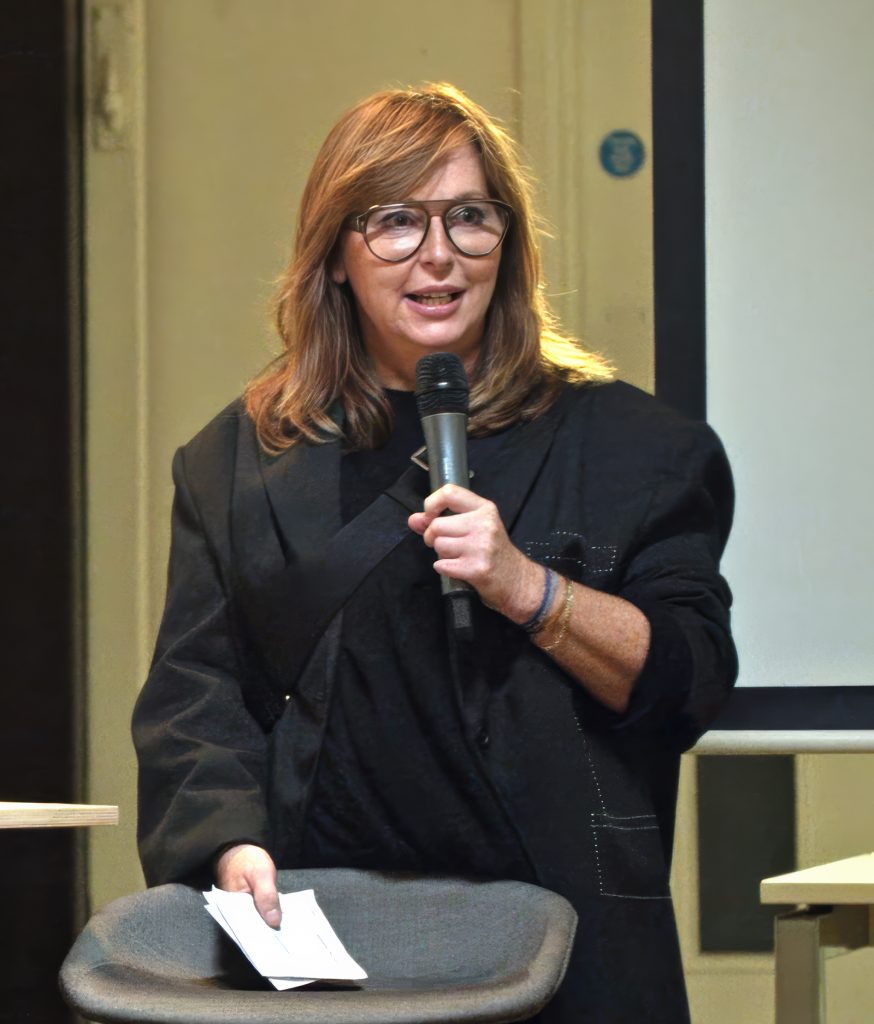
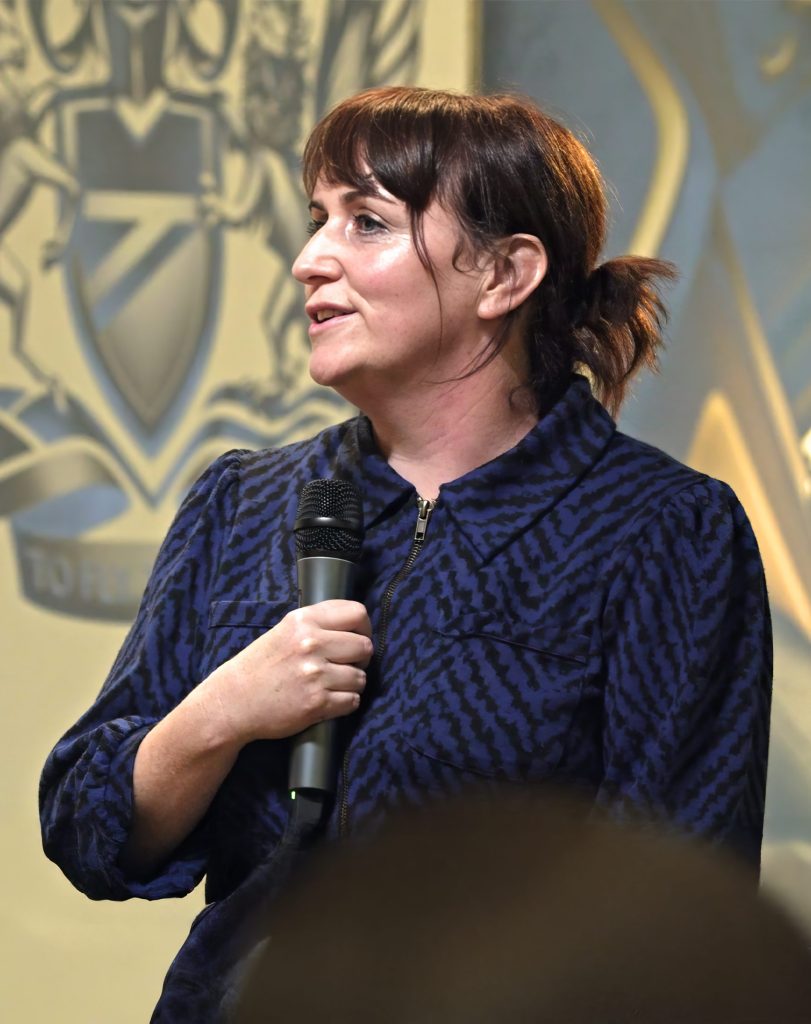
Second at the podium? Carmel Harrison.
Carmel’s been part of forpeople’s story for a long time – first as a client during the Nokia years, then as a key part of our team. She helped shape how we think about materiality and aesthetics, and how even the smallest details can tell stories, build emotion, and create meaningful experiences.
Since then, she’s brought that thinking to some of the world’s most loved brands and design studios. Today, she leads Colour, Material & Finish Design at Logitech, where her expertise continues to influence how products look, feel, and connect.
Carmel’s thought—
"In companies grown around products, CMX brings a more human vision to life."
Patrick Niall
forpeople
Carmel Harrison
Logitech
We had a great conversation recently about how materiality is evolving, and I think that’s a perfect place to start.
You said: “when companies are built around products, CMX plays a key role in bringing a more human vision to life.”
For those who might not be familiar with the acronyms we designers use, CMF stands for Colour, Material, and Finish. The classic questions: What colour is it? What material is it? How is it finished?
So, what is CMX?
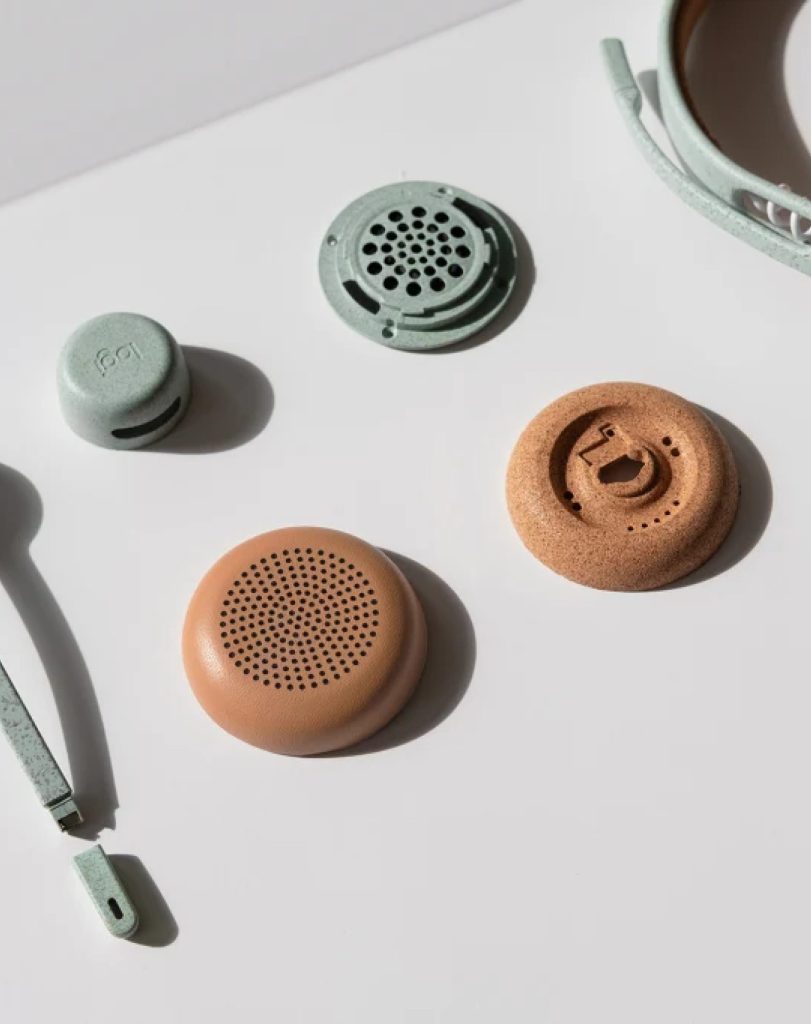
This is something I’ve been passionate about throughout my career. The concept of CMF has always felt limiting to me because it’s just the toolkit, the palette — the end result of the broader work this discipline can do.
Over my career, especially now in my global role at Logitech, I’ve been advocating for recognising the strategic value of this role. It’s something that comes naturally to studios like forpeople, but in a corporate world where silos often exist, it’s critical to show that design has a seat at the business table.
CMF is sometimes viewed as a tactical discipline, but its true value lies in research, strategy, and its application beyond just product design. It can influence the retail experience, the online journey, and even internal processes.
For me, CMX — or Colour, Material, and Experience — encapsulates everything people interact with: what they see, touch, smell, and feel, as Bill mentioned earlier.
This holistic approach is something I’m pushing my team globally to embrace, encouraging them to think beyond the traditional boundaries and unlock new potential.
That’s a fascinating shift.
I remember when we first started working on brand or CMF toolkits. Back then, it was about specifying assets and guidelines to ensure brand consistency within defined boundaries; now, designers face much broader challenges—crafting coherent experiences for conversational AI, retail environments, devices, or even something as dynamic as a scent.
It feels like there’s a growing expectation to design experiences that feel seamless and integrated.
How do you think the role of the designer has evolved to meet these changes?
The change has been significant.
Even when I worked with forpeople, we often talked about the idea of being polymaths. That idea feels more relevant than ever today. The ability to adapt your creativity across different disciplines is essential. Labels matter less now — it’s about being a creative who can apply that creativity to any challenge.
In the tech world I work in, collaboration is crucial.
While the product itself is one outcome, how we sell it, market it, and align with teams focusing on sustainability and inclusivity are just as important. Everything needs to reflect the brand’s values. I think there’s still enormous untapped potential in this space.
As a final question, what advice would you give to companies wanting to make CMX a guiding principle for their creative efforts?
Creativity in its broadest sense now has a seat at the business table, and it’s important to ensure designers are present in those key conversations. Having strong representatives and thought leaders at the table can help shape the brand’s future.
It’s about fostering optimism and curiosity.
As designers and naturally curious individuals, our voice is relevant — we can drive brands forward. My advice would be to prioritise collaboration, maintain curiosity, and ensure that creativity is part of strategic decision-making.
Wonderful. Carmel, thank you so much.
Thank you. It’s been a pleasure.
This is the second of three conversations about the role of design in making the future more human.
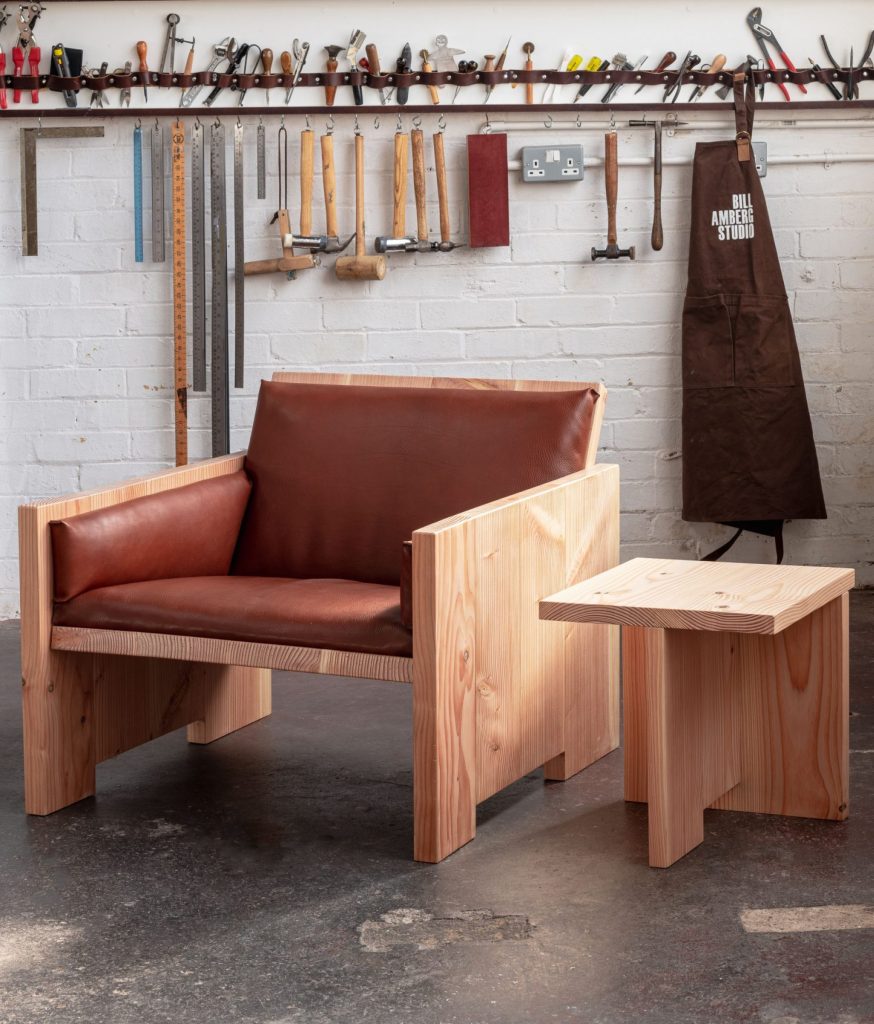
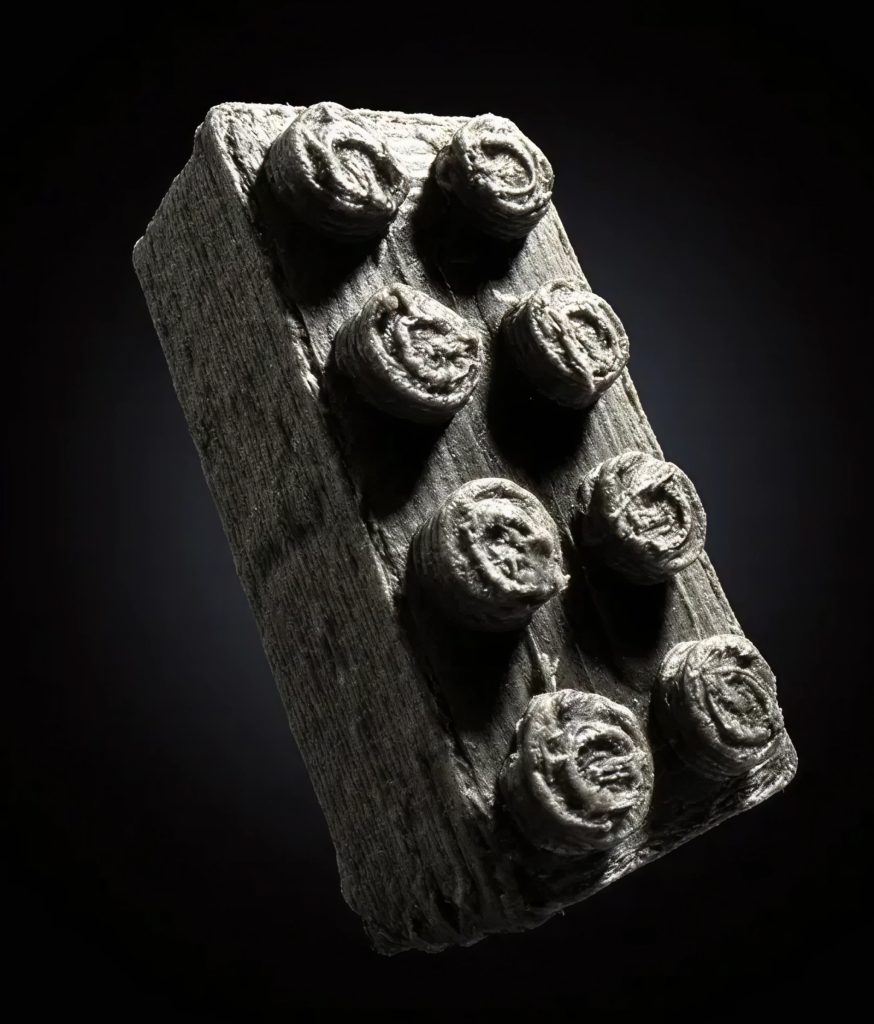
We’ve heard from Bill Amberg on the role of craft in making the future more human, and the importance of play with Sylvia Feichtinger of Lego is still to come.
Stay tuned.

Journal